
Melatonin myths, checked
What people believe about melatonin, why it sounds right, and what's true.
 Not the way you think
Is melatonin a sleeping pill?
Not the way you think. It tells your body it's night. Across 19 trials it got people to sleep about 7 minutes faster, and moving your clock is the bigger job.
 Sort of
Does a bigger dose of melatonin work better?
Sort of. The sleep effect grew up to about 4 mg in 26 trials. Jet lag trials found nothing more above 5 mg, and 0.5 mg moved the clock as far as 3 mg.
 No
Should you take melatonin right at bedtime?
No. Earlier did better, about 3 hours before bed to fall asleep faster and about 5 hours before your usual bedtime to move your body clock earlier.
 No
Does a gummy's label tell you how much melatonin you're taking?
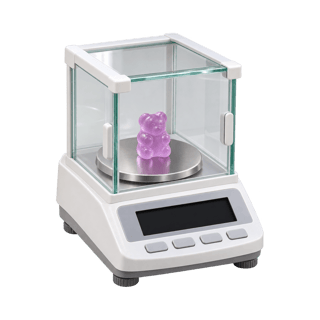
No. In a 2023 test of 25 US gummies, 22 missed their label, from 74 to 347 percent, and one had no melatonin at all. Most held more than they said.
 No
Does taking melatonin make your body stop making its own?
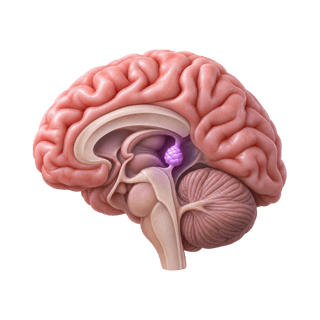
No. In 21 night workers on 0.5 mg for a week, their own melatonin came back at the same height. The tablet shifted their timing and left their own output alone.
 Not shown
Does melatonin cause heart failure?
Not shown. The headline came from an unreviewed 2025 abstract that couldn't tell melatonin apart from bad insomnia. A 2026 look at US survey data found no link.
 Not the way you think
Is melatonin safe for kids because it's natural?
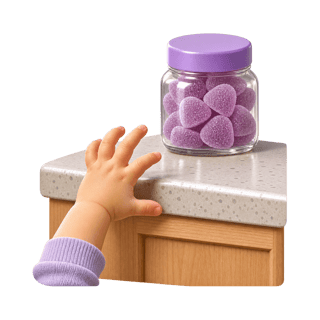
Not the way you think. Your body makes it, but a gummy can hold over three times its label, and poison center reports for children rose 530 percent in ten years.
 Sort of
Is your phone what stops your melatonin?
Sort of. The room does most of it. Room light before bed delayed melatonin in 99 percent of people, and after a bright day, two hours on a tablet changed nothing.
 No
Are tart cherries a natural dose of melatonin?
No. You'd need about 49 pounds of tart cherries to match one 0.3 mg tablet. The juice did help sleep a little in a 20-person trial, and it isn't clear why.